Source underfloor heating eurocone compression adapter for Home, Hotel, and Office
Find 30 verified listings for the underfloor heating eurocone compression adapter to compare brass fittings with ISO9001 and CE certifications. Buyers can evaluate sizes from 12mm to 20mm, pressure ratings, and supplier MOQs for residential and commercial projects.
Key considerations
Products List
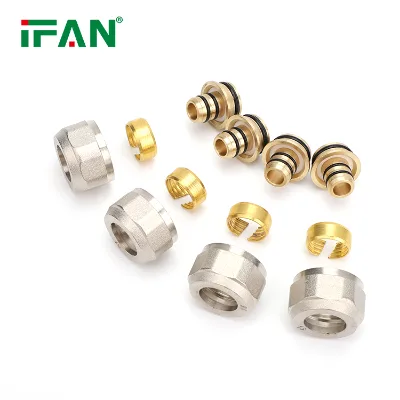
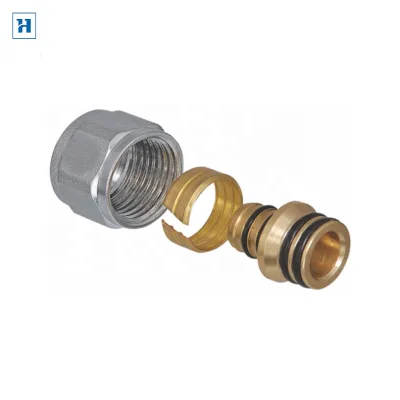
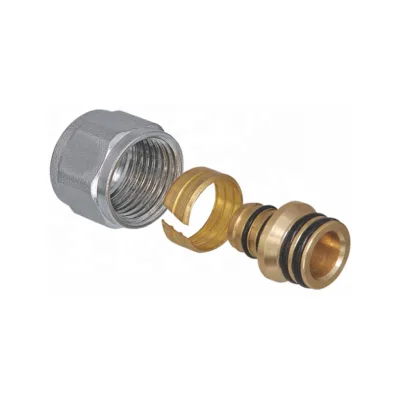
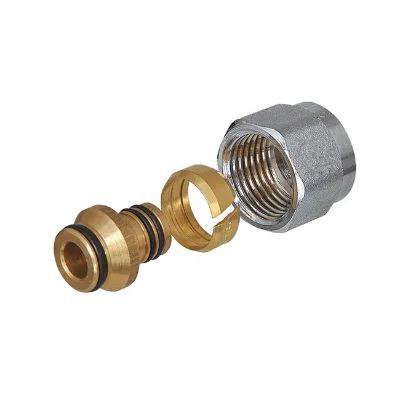
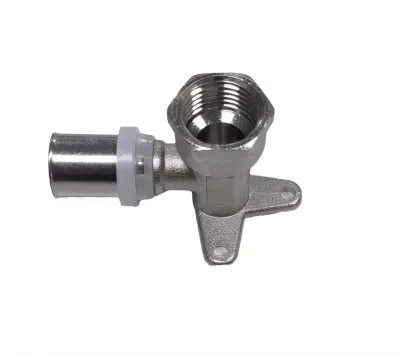


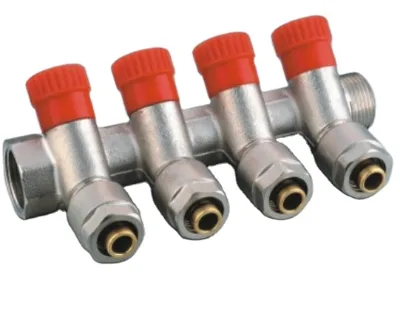


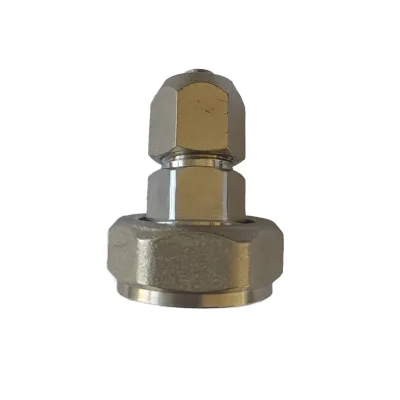


Comprehensive Sourcing Guide
Strategic Sourcing Guide for Underfloor Heating Eurocone Compression Adapters
Procuring specialized components for underfloor heating systems requires a rigorous approach to ensure system integrity, safety, and long-term performance. The underfloor heating eurocone compression adapter serves as a critical interface within these systems, facilitating secure connections between piping and manifold units. Buyers must navigate a complex landscape of material specifications, dimensional tolerances, and certification requirements to select the right components. This guide synthesizes available market data and technical standards to provide a structured framework for evaluating potential suppliers and products without relying on unverified claims or specific vendor recommendations.
Technical Specifications and Dimensional Standards
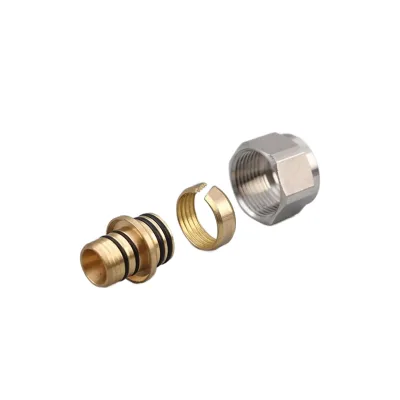
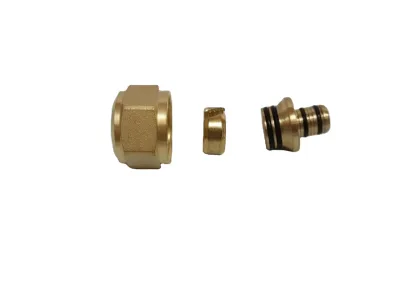
The foundation of a successful procurement strategy lies in a precise understanding of the technical specifications required for the specific application. Eurocone adapters are designed to accommodate various pipe diameters, and the available market data indicates a range of sizes including 12mm, 14mm, 16mm, 17mm, and 20mm. These dimensions are critical for compatibility with PEX-AL-PEX and other common underfloor heating piping materials. When sourcing, buyers must verify that the selected adapter matches the specific pipe size of their project to prevent leaks or flow restrictions.
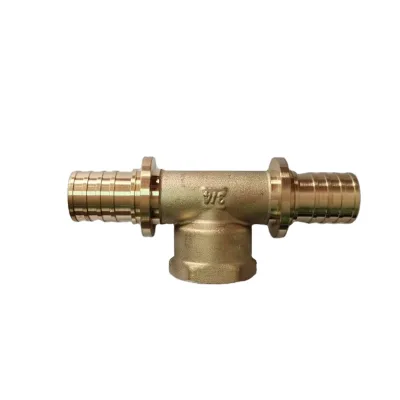
Material composition is another paramount technical factor. The observed market data highlights brass as the primary material for these fittings, specifically noted in contexts describing "H3010 Series Brass Manifold Outlet" and "brass manifold fitting." Brass is preferred for its durability and resistance to corrosion, which is essential for systems operating under high pressure. The surface treatment is typically described as smooth, which aids in the compression process and ensures a tight seal. Additionally, the shape of the adapter can vary between equal and reducing configurations, allowing for transitions between different pipe sizes or manifold ports.
Connectivity methods are standardized in this sector, with thread-based connections being the norm. The "Eurocone" designation implies a specific compression fitting style that relies on a tapered cone to create a seal against the pipe. Buyers should confirm that the thread type and pitch align with the manifold manufacturer's specifications. While some listings mention "Forged" techniques, indicating a manufacturing process that enhances structural integrity, the specific forging standards should be verified against the project's engineering requirements. The overall length and height of the adapter are often customized, meaning that standard off-the-shelf dimensions may not suffice for all manifold designs.
Compliance, Certification, and Regulatory Verification
In the B2B procurement of plumbing and heating components, compliance with international standards is non-negotiable. The presence of ISO9001:2015 and CE certifications in the market data suggests that reputable suppliers adhere to quality management systems and European safety directives. However, buyers must treat these certifications as observations of specific supplier capabilities rather than universal guarantees for every product listed. It is essential to request valid, up-to-date certification documents directly from the supplier to confirm that the specific batch of adapters being purchased meets these standards.
The "Standard or Unstandard" classification is a critical compliance indicator. Market observations indicate that many brass manifold fittings are produced to standard specifications, which simplifies the verification process. Buyers should ensure that the product meets the relevant national or international standards for underfloor heating systems, such as those governing pressure ratings and material safety. The "High Pressure" attribute observed in product descriptions implies that these components are designed to withstand significant system pressures, but the exact pressure rating (e.g., in bar or PSI) must be explicitly confirmed in the technical datasheet.
Furthermore, the place of origin, often cited as Zhejiang, China for these fittings, does not inherently dictate quality but requires a heightened focus on supply chain transparency. Buyers should verify that the manufacturing facility holds the necessary environmental and safety certifications. The warranty periods observed in the market vary, with some products offering 3 years and others 1 year. This discrepancy highlights the importance of negotiating warranty terms that reflect the expected lifespan of the component within the specific application environment.
Cost Drivers and Pricing Dynamics
Understanding the cost structure of eurocone compression adapters is vital for budgeting and supplier negotiation. The observed price range in the market spans from 0.1 to 15.3 USD, a wide variance that reflects differences in material quality, manufacturing complexity, and order volume. The primary cost driver is the material, specifically the grade of brass used. Higher-grade brass with better corrosion resistance and lead content compliance will command a higher price point.
Order volume is another significant factor influencing unit cost. The market data reveals a wide range of Minimum Order Quantities (MOQ), from as low as 1 unit to as high as 5000 units. Some suppliers list an MOQ of 100 brass manifold fittings, while others may require 1000 units. Bulk purchasing typically reduces the per-unit cost, but it also increases the upfront capital requirement. Buyers must balance the economies of scale against their inventory holding costs and project timelines.
Customization is a third major cost driver. Attributes such as "Customized support," "Customized Color," and "Customized Overall Length" indicate that tailored solutions are available. Customization inevitably adds to the production cost and may extend lead times. Buyers should clearly define their customization needs early in the sourcing process to avoid unexpected price escalations. Additionally, packaging costs, indicated by single package sizes ranging from 15x10x10 cm to 30x20x20 cm, can impact the total landed cost, especially for international shipping.
Typical Applications and System Integration
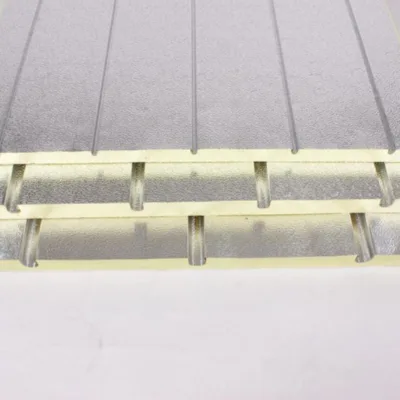
Eurocone compression adapters are primarily designed for use in underfloor heating systems, serving as the critical link between the distribution manifold and the heating pipes. The observed "Usage" and "Application" fields consistently point to "House Home Floor Underfloor Heating" and "Hotel" environments. This versatility suggests that the components are suitable for both residential and commercial projects, provided the technical specifications align with the system's design pressure and temperature requirements.
The "Design Style" is noted as "Modern," which implies that these fittings are often integrated into systems where aesthetics or space efficiency may be a consideration, although the primary function remains technical. The "Project Solution Capability" of suppliers offering "graphic design" services suggests that some manufacturers provide comprehensive system planning support, which can be valuable for complex installations.
When integrating these adapters into a system, buyers must consider the "Pipe Features," such as corrosion resistance, which is essential for maintaining water quality and system longevity. The "Thread" connectivity must be compatible with the manifold's outlet ports. In residential settings, the focus is often on ease of installation and reliability, whereas commercial applications like hotels may prioritize high-volume capacity and robustness under continuous operation. The "Single gross weight" of the components, ranging from 0.5 kg to 1.0 kg, indicates that they are substantial enough to ensure durability but manageable for installation crews.
Supplier Evaluation and Capability Assessment
Evaluating potential suppliers requires a multi-faceted approach that goes beyond price comparison. The presence of OEM and ODM support capabilities is a strong indicator of a supplier's flexibility and ability to meet specific client needs. Buyers should assess whether a supplier can provide the required customization in terms of size, color, and packaging. The "After-sale Service" attribute, specifically "Online Technical Support," is a valuable differentiator that can assist in troubleshooting installation issues or resolving quality concerns post-delivery.
The "Type" of product, listed as "Adapters" or "Floor Heating Systems," helps categorize the supplier's core competency. A supplier specializing in "Floor Heating Systems" may offer a more integrated solution than a general hardware manufacturer. However, buyers must verify that the supplier's primary focus aligns with the specific needs of the project. The "Brand Name" observed in the data, such as "IFAN" or "HANDING," indicates that there are established players in the market, but buyers should not rely on brand recognition alone. Instead, they should verify the brand's reputation through independent reviews and case studies.
Quality control processes are integral to supplier evaluation. Buyers should inquire about the supplier's internal testing protocols, particularly regarding pressure testing and leak detection. The "Forged" technique mentioned in the product attributes suggests a manufacturing process that enhances strength, but the consistency of this process across batches must be assured. Suppliers with a history of providing "Standard" products are generally safer bets for routine projects, while those offering "Unstandard" solutions should be vetted for their engineering capabilities.
Quality Control and Long-Term Procurement Considerations
Implementing a robust quality control (QC) strategy is essential for mitigating risks associated with component failure. Given the critical role of eurocone adapters in preventing leaks and maintaining system pressure, buyers should mandate pre-shipment inspections. These inspections should verify dimensional accuracy, material composition, and surface finish. The "Smooth" surface treatment observed in the data should be checked for defects that could compromise the compression seal.
Long-term procurement considerations involve establishing a reliable supply chain that can support future maintenance and expansion. The "Warranty" periods observed, ranging from 1 to 3 years, provide a baseline for expected product life, but buyers should negotiate terms that reflect the actual service life of the component in their specific application. The "Selling Units" being listed as "Single item" suggests that suppliers are flexible in their sales models, which can be beneficial for small-scale projects or spare parts procurement.
Buyers should also consider the "Single package size" and "Single gross weight" when planning logistics. Efficient packaging reduces shipping costs and minimizes the risk of damage during transit. For large-scale projects, consolidating orders to meet higher MOQ thresholds can yield significant cost savings. However, the buyer must ensure that the storage conditions for the brass fittings are appropriate to prevent oxidation or corrosion before installation.
Finally, the "System of Measurement" being Metric is a standard requirement for most international projects, but buyers must ensure that all documentation and technical drawings align with this system to avoid conversion errors. By adhering to these quality control measures and long-term planning strategies, buyers can secure a supply of high-quality eurocone compression adapters that ensure the reliability and efficiency of their underfloor heating systems.
Summary of Key Procurement Factors
To summarize the critical elements for sourcing underfloor heating eurocone compression adapters, buyers should focus on the intersection of technical fit, material quality, and supplier reliability. The following table outlines the key attributes to verify during the sourcing process:
| Attribute Category | Key Verification Points |
|---|---|
| Dimensions | Pipe sizes (12mm, 14mm, 16mm, 17mm, 20mm); Thread compatibility; Customized length/height. |
| Material & Finish | Brass composition; Smooth surface treatment; Corrosion resistance. |
| Certifications | ISO9001:2015; CE marking; Pressure ratings verification. |
| Supplier Capabilities | OEM/ODM support; After-sale technical support; MOQ flexibility (1 to 5000). |
| Logistics | Packaging dimensions (15x10x10 cm to 30x20x20 cm); Gross weight (0.5 kg to 1.0 kg). |
| Warranty | Duration (1 to 3 years); Coverage scope. |
By systematically addressing these factors, buyers can make informed decisions that align with their project requirements, ensuring a safe, efficient, and durable underfloor heating installation. The complexity of the market demands diligence, but a structured approach to evaluation will mitigate risks and secure the best value for the investment.
FAQs
What certifications do underfloor heating eurocone compression adapters have?
These adapters typically hold ISO9001:2015 and CE certifications. Buyers must verify that specific batches meet these standards before purchase, as certifications apply to the supplier's quality management system rather than guaranteeing every individual unit without documentation.
Which pipe sizes are available for these brass manifold fittings?
Available sizes include 12mm, 14mm, 16mm, 17mm, and 20mm. Buyers must match the adapter size exactly to their PEX-AL-PEX piping to ensure a secure compression seal and prevent flow restrictions or leaks in the underfloor heating system.
Can suppliers provide customized colors and lengths for these adapters?
Yes, suppliers offer customized support for color and overall length. Customization adds to production costs and may extend lead times, so buyers should define these requirements early to avoid unexpected price escalations during the procurement process.
How does the MOQ vary for brass manifold fitting orders?
Minimum Order Quantities range from 1 to 5000 units depending on the supplier. Some vendors require 100 units while others mandate 1000, so buyers must balance bulk pricing benefits against their specific project inventory needs and upfront capital requirements.
What warranty periods are offered for these underfloor heating components?
Warranty periods observed in the market vary between 1 year and 3 years. Buyers should negotiate terms that reflect the expected service life of the component in their specific application environment rather than relying solely on standard listing durations.
Which manufacturing techniques are used for these high-pressure adapters?
Forged techniques are commonly used to enhance structural integrity for high-pressure applications. Buyers should verify the consistency of this manufacturing process across batches to ensure the fittings can withstand the system pressures without failure during operation.